Accommodations & Advocacy
Living with chronic illness, disability, or complex medical needs often requires more than medical care alone. Children, teens, young adults, and families may need advocacy and accommodations to support access to school, college, work, health care, transportation, activities, and other parts of daily life.
For people with invisible or fluctuating health conditions, using disability accommodations can sometimes feel uncomfortable, unnecessary, or undeserved. Accommodations are not an unfair advantage or a lowering of expectations; they are a way of reducing barriers within environments and systems that are not designed around every body, brain, or level of functioning so that individuals have a more equitable opportunity to participate, demonstrate their abilities, and succeed.
The resources below offer information and tools related to school accommodations, 504 Plans, IEPs, college and workplace accommodations, disability rights, self-advocacy, care coordination, and navigating systems that may not always fully understand chronic illness, invisible disability, or complex and fluctuating health needs.
Assistive Technology, Mobility Devices, and Sensory Supplies
- Aids and Adaptations for EDS – EDS News Article
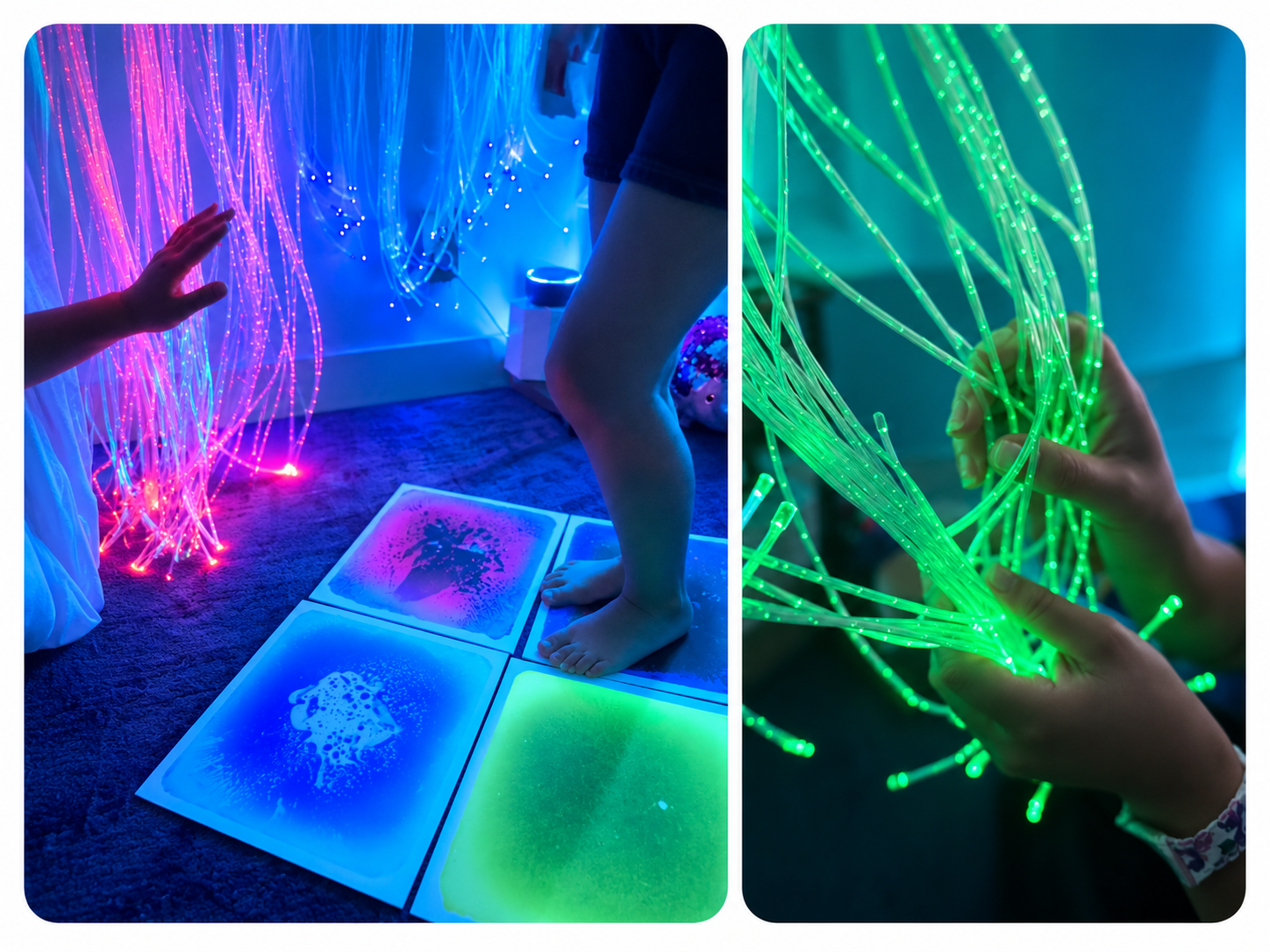
- Fun and Function Online Shop – Sensory Toys and Solutions
- Jelliebend – Supportwear designed with gentle compression. Use code HopePsychology&Jellie
- MN Department of Administration STAR for Assistive Technology
- Mobility Aids for EDS – Review Article
- Pacer Center’s Simon Technology Center (STC) and What is assistive technology?
- Special Needs Toys
Patient Health Advocates
- Alliance of Professional Health Advocates – Find a patient advocate directory
- Greater National Advocates – A directory of independent, patient advocates
- National Association of Healthcare Advocacy
- Patient Advocate Foundation – Free case management to help solve problems related to serious health conditions, including finances and insurance